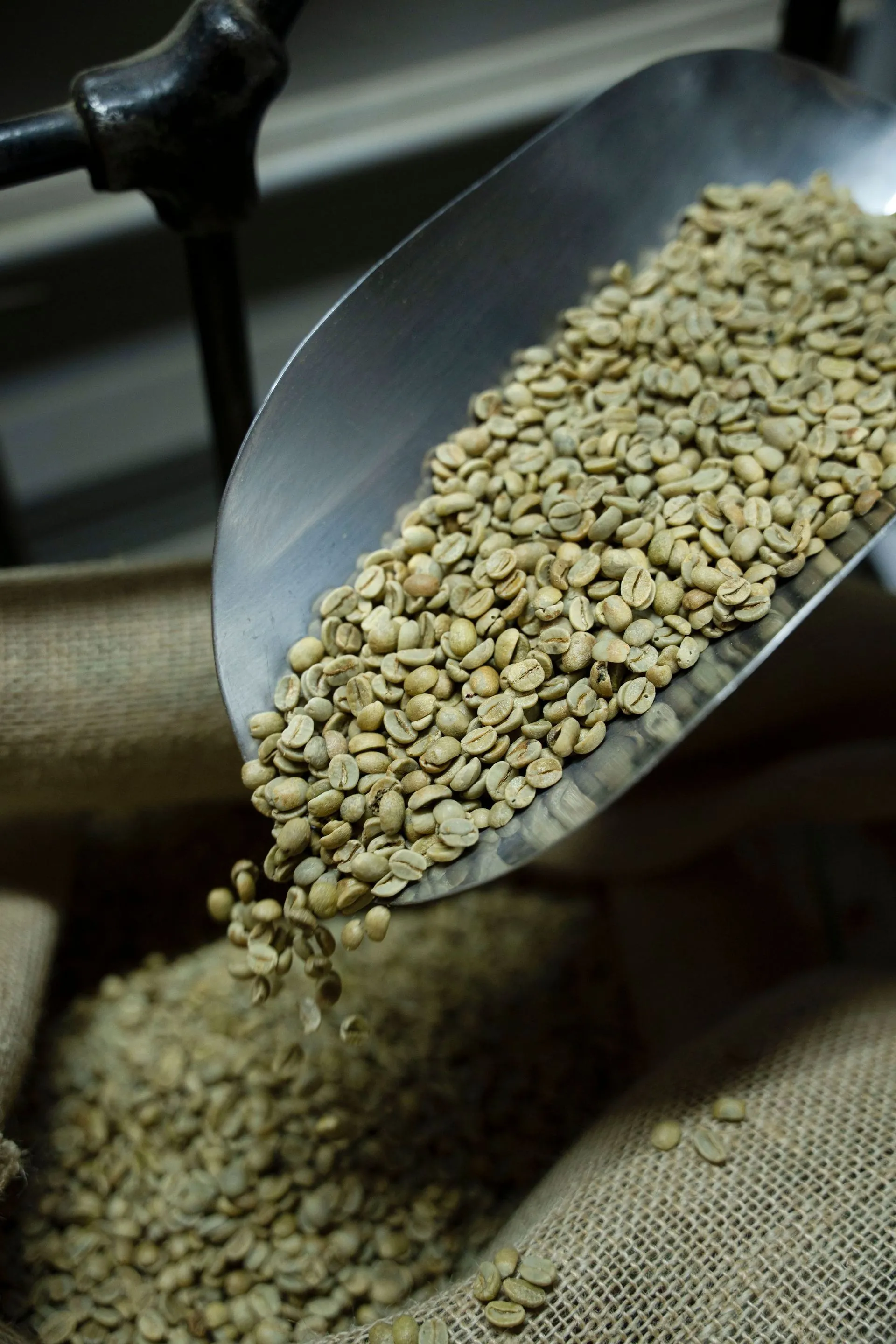
Green coffee keeps far longer than roasted coffee, but it does not keep forever. A lot that tasted bright and sweet when you cupped the sample can taste flat and papery months later if it is stored badly. Knowing how long green coffee lasts, and what shortens its life, helps you buy the right amount and protect what you paid for.
The short answer
Stored well, most specialty green coffee keeps its best quality for roughly 6 to 12 months after it is processed and shipped. Many importers talk about a peak window of 6 to 9 months after arrival. After that, the coffee is still safe to roast, but the cup slowly loses acidity, sweetness and aroma.
Storage conditions matter more than the calendar. A well-dried coffee kept in a sealed bag, in a cool and stable room, can stay lively much longer than the same coffee left in a jute sack next to a sunny wall.
What makes green coffee age
Moisture content
Green coffee is usually dried to around 10 to 12% moisture. Too wet, and it is at risk of mould and fermentation. Too dry, and it loses aroma and roasts unevenly. Coffee also exchanges moisture with the air around it, so a humid warehouse can push a well-dried lot out of range.
Water activity
Water activity measures how much of the water in the bean is "free" to react. It is a better predictor of stability than moisture alone. Many buyers look for values roughly between 0.45 and 0.65; higher values speed up aging and raise the risk of mould.
Temperature and humidity
Heat speeds up the chemical changes that make coffee taste old. Aim for a cool, stable room, roughly 15 to 25 °C, with moderate relative humidity (around 50 to 70%). Sudden swings, such as hot days and cold nights, can cause condensation inside the bags.
Oxygen, light and odours
Oxygen slowly oxidises the oils and acids in the bean. Light warms the coffee and speeds up aging. Green coffee also absorbs smells easily, so keep it away from spices, cleaning products, fuel and other strong odours.
Packaging makes a big difference
- Jute or sisal sacks alone let air and moisture pass freely. They are traditional and strong, but they offer little protection over time.
- Hermetic liners, such as multi-layer plastic bags placed inside the sack, slow the exchange of moisture and oxygen. Studies of these bags show they protect quality better than jute alone, although no packaging stops aging completely.
- Vacuum-packed boxes offer the most protection and are common for very high-value lots.
Whatever the packaging, keep the bag closed between uses. A hermetic bag left open works like a jute sack.
How to tell a coffee is aging
You will usually notice it in the cup before you see it in the bean:
- Flavour: muted acidity, less sweetness, and notes often described as papery, woody, cardboard or "baggy".
- Appearance: the green-blue colour fades towards pale yellow, and the beans may look dull or uneven.
- Roasting: older coffee can behave differently in the roaster, so a profile that worked when the lot was fresh may need adjusting.
Cupping the same lot every month or two is the easiest way to catch these changes early.
Practical storage tips
- Buy what you will roast in 3 to 6 months. It is better to reorder than to hold a large stock that fades.
- First in, first out. Roast older lots first and label every bag with its arrival date.
- Keep bags off the floor and away from walls. Pallets let air circulate and protect against damp.
- Avoid the fridge. Moving coffee in and out of the cold causes condensation, which does more harm than good.
- Measure if you can. A simple moisture or water activity meter helps you check lots on arrival and over time.
Plan around the harvest
Freshness starts with timing. Colombia has a main harvest and, in many regions, a second smaller one called the mitaca, and the timing changes from region to region. That means fresh Colombian coffee is available for much of the year. Ask your supplier when a lot was harvested and processed, not only when it was shipped.
Buy for freshness, not just price
A large order at a good price is not a bargain if the last bags taste flat. Buying smaller amounts more often, from a supplier who can tell you when the coffee was harvested and how it was stored, usually gives better cups and less waste.
At Almaguer, we vacuum-pack every order, and orders start at 5 kg, so you can buy what you will actually roast. Each lot shows its region, altitude, variety and process. See the lots or order samples to cup them first.